Ir al contenido
The sacroiliitis Sacroiliitis is a condition that affects the sacroiliac joint, located in the lower back and connecting the spine to the pelvis. Although it is not a widely known condition, it can cause significant pain and impact the quality of life of those who suffer from it. In this article, we will explore what sacroiliitis is, its causes, symptoms, and ways to manage this condition to improve your well-being.
What is Sacroiliitis?
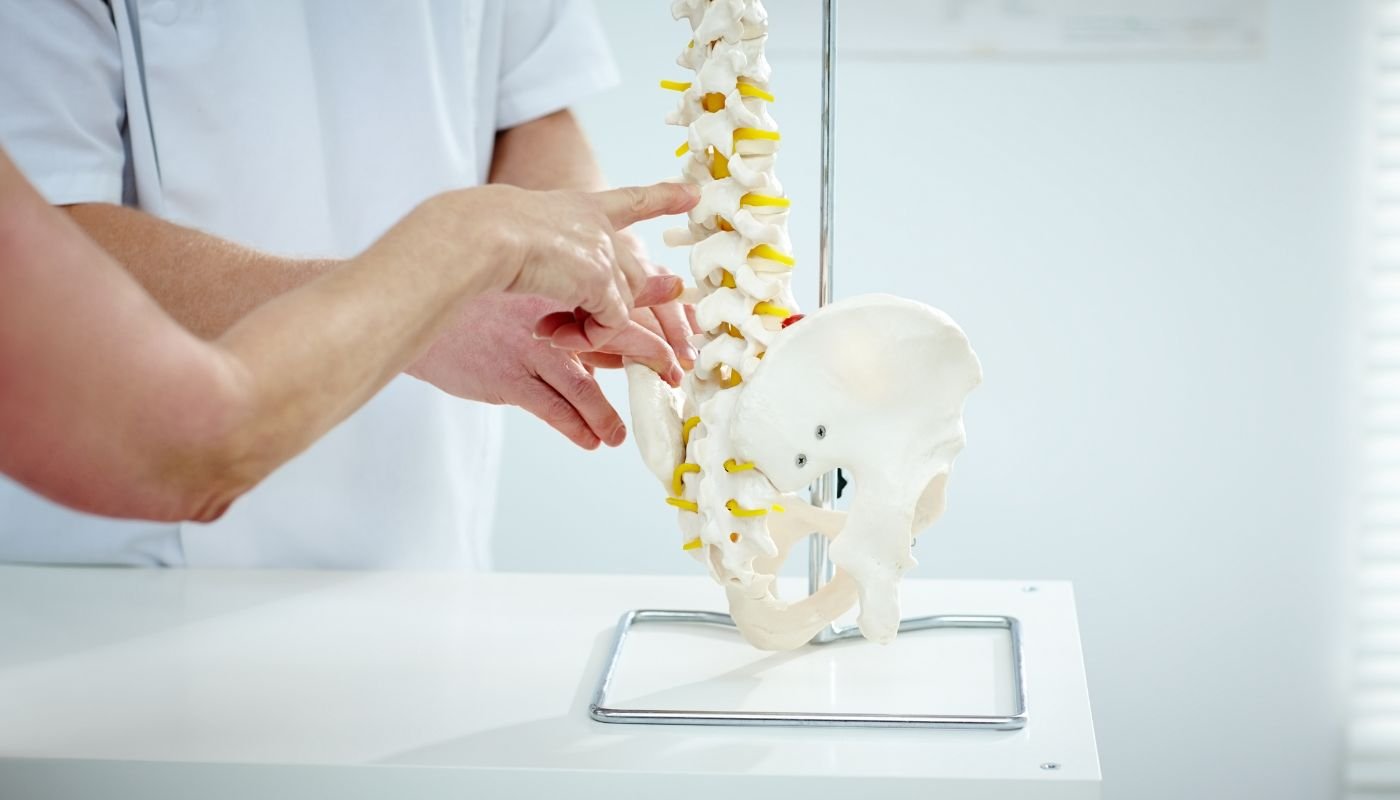
Sacroiliitis refers to inflammation of one or both sacroiliac joints. These joints play a crucial role in supporting the weight of the body and distributing it to the lower extremities during activities such as walking, running, or standing. When these joints become inflamed, they can cause pain in the lower back, buttocks, or even radiate down the legs.
Why is it Important?
The sacroiliac joint, although small, is essential for the stability and mobility of the body. When it is affected, everyday activities, such as sitting or climbing stairs, can become challenging.
Causes of Sacroiliitis
Sacroiliitis can have a variety of causes, and in many cases, it is the result of a combination of factors. Common causes include:
1. Injuries or Traumas
A direct blow or fall on the buttocks can damage the sacroiliac joint, causing inflammation and pain.
2. Mechanical Stress
Repetitive movements or physical activities that put stress on the joint, such as running long distances or lifting heavy objects, can trigger sacroiliitis.
3. Arthritis
Inflammatory arthritis, such as ankylosing spondylitis or psoriatic arthritis, can affect the sacroiliac joint.
4. Pregnancy
During pregnancy, hormonal changes and extra weight can put pressure on the sacroiliac joint, increasing the risk of inflammation.
5. Infections
Although rare, bacterial infections can inflame the joint.
Common Symptoms of Sacroiliitis
The main symptom of sacroiliitis is pain, but this can vary in intensity and location. Some of the most common symptoms include:
- Lower back pain: It may radiate to the buttocks, hips, or back of the thighs.
- Morning stiffness: Feeling of stiffness in the back or pelvis upon waking.
- Worsening with certain activities: The pain may be worse when walking, climbing stairs, or standing for long periods of time.
- Difficulty moving: Movements such as twisting the torso or bending at the waist can be painful.
How is Sacroiliitis Diagnosed?
Diagnosing sacroiliitis can be tricky, as its symptoms can be confused with other conditions such as sciatica or lumbar disc problems. Health professionals use several tools to identify this condition:
- Medical History and Physical Examination A doctor will evaluate your symptoms, medical history and perform physical tests to identify the source of the pain.
- Imaging Tests
- X-rays
- Magnetic Resonance Imaging (MRI)
- Computed Tomography (CT)
- Laboratory Tests
How to Manage Sacroiliitis
Although sacroiliitis can be uncomfortable, there are several ways to manage it and improve your quality of life:
1. Strengthening and Exercises
Strengthening the muscles around the sacroiliac joint can reduce pressure on it. Exercises such as gentle stretching and core strengthening are helpful.
2. Maintain Good Posture
Proper posture reduces stress on the lower back and pelvis, relieving pain.
3. Weight Control
Maintaining a healthy weight can decrease pressure on the sacroiliac joint.
4. Chiropractic
Chiropractic helps improve the function of the sacroiliac joint.
How Chiropractic Helps with Sacroiliitis
The primary focus is to align and restore mobility of the sacroiliac joint, reducing inflammation and improving overall functionality. In addition to specific adjustments to the sacroiliac joint, vertebral joints that have been affected by sacral misalignment are also corrected, as well as the lower limb joints involved.
It is important to note that although pain may be significantly relieved in the first few sessions, full recovery of the affected ligaments may require more time and consistent focus.
As we move forward, the goal is to normalize sacroiliac joint function and regain muscle strength in the area. This comprehensive approach seeks to optimize spinal function and improve the patient's quality of life.
Prevention of Sacroiliitis
Although it is not always possible to prevent sacroiliitis, there are measures that can reduce the risk:
- Avoid overloading the lower back: Do not lift heavy objects incorrectly.
- Take breaks when doing repetitive activities: This allows the joints to rest.
- Strengthens the core: Abdominal and back strengthening exercises help stabilize the pelvis.
Conclusion
Sacroiliitis is a condition that, while uncomfortable, can be effectively managed with a comprehensive approach that includes chiropractic care, targeted exercises, and lifestyle changes. If you experience persistent pain in your lower back or buttocks, consider seeking professional help to receive a proper diagnosis and care plan. Taking early action can make a difference in your long-term well-being.