Ir al contenido
The lumbar disc disease It is one of the most common conditions affecting the lower spine, causing pain and discomfort in everyday life. But what exactly is it? Why does it occur, and how can you manage its symptoms? In this article, we will explore in depth what lumbar disc disease is, its causes, symptoms, and ways to prevent and alleviate its effects.
What is Lumbar Discopathy?
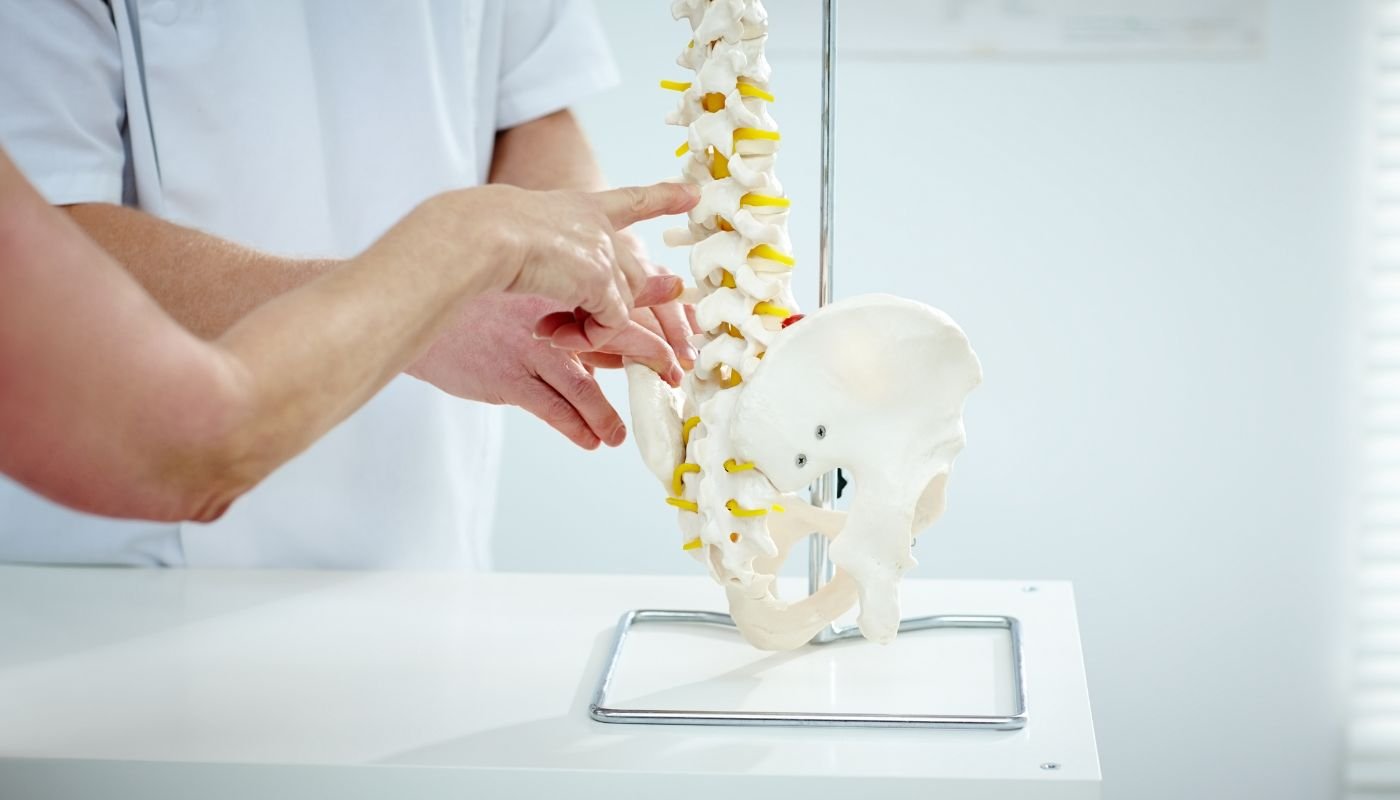
Lumbar disc disease is a term used to describe the wear and tear or deterioration of the intervertebral discs found in the lumbar region of the spine. These discs act as shock absorbers between the vertebrae, providing flexibility and absorbing shock during movement. When these discs begin to degenerate, they can lose height, elasticity, and functionality, leading to pain and limited movement.
Causes of Lumbar Discopathy
Lumbar disc disease can be caused by several factors, including:
- Aging: Over time, intervertebral discs lose water and elasticity, making them more prone to wear and tear.
- Mechanical Overload: Activities that involve heavy lifting, repetitive movements, or poor posture can accelerate disc deterioration.
- Genetic Factors: Some people have a genetic predisposition to developing problems with their intervertebral discs.
- Previous Injuries: Trauma or injury to the lumbar spine can trigger degenerative changes in the discs.
- Sedentary Lifestyle: Lack of physical activity can weaken the muscles that support the spine, increasing pressure on the discs.
Symptoms of Lumbar Disc Disease
Symptoms of lumbar disc disease can vary depending on the severity of the condition and the specific level of discs affected. Some of the most common symptoms include:
1. Lower back pain
Lower back pain is the most characteristic symptom. It can be mild or severe, depending on the level of deterioration of the disc.
2. Stiffness and Difficulty Moving
People with lumbar disc disease may experience stiffness in the back, especially after sitting or lying down for long periods of time.
3. Pain Radiating to the Legs
If the disc deterioration affects nearby nerves, such as the sciatic nerve, the pain may radiate to one or both legs, causing tingling or numbness.
4. Reduction of Flexibility
Disc wear can limit your ability to bend, twist, or perform everyday movements.
5. Muscle Weakness
In more severe cases, pressure on the nerves can cause muscle weakness in the legs or feet.
Diagnosis of Lumbar Discopathy
Diagnosing lumbar disc disease usually begins with a clinical evaluation and a review of symptoms. The doctor may perform imaging tests to confirm the diagnosis and assess the degree of impairment. The most commonly used tools include:
- X-rays: To observe the alignment of the spine and the height of the discs.
- Magnetic Resonance Imaging (MRI): Provides a detailed image of soft tissues, including discs and nerves.
- Computed Tomography (CT): Allows accurate visualization of bone structures and discs.
Strategies to Prevent Lumbar Disc Disease
Although it cannot always be prevented, there are healthy habits that can reduce the risk of developing lumbar disc disease or delay its progression:
1. Maintain Good Posture
Sitting and standing with your spine aligned reduces pressure on your lumbar discs. Make sure your workstation is set up ergonomically.
2. Strengthens Core Muscles
Abdominal and back muscles are essential for maintaining a healthy spine. Exercises such as planks or yoga can help strengthen them.
3. Avoid Improper Weight Lifting
When lifting heavy objects, use your legs instead of your back to avoid overloading the lumbar discs.
4. Maintain a Healthy Weight
Excess body weight increases pressure on the lumbar region, accelerating disc wear.
5. Incorporate Movement into Your Routine
A sedentary lifestyle can weaken the muscles that support the spine. Incorporating physical activities such as walking, swimming or cycling can be beneficial.
How Can Chiropractic Help with Lumbar Disc Disease?
Chiropractic is an approach that focuses on spinal health and can be a valuable tool for those suffering from lumbar disc disease. Chiropractors use specific techniques to improve spinal alignment, reduce pressure on the discs, and relieve symptoms.
Benefits of Chiropractic
- Improves Mobility: Chiropractic adjustments help restore range of motion in the lumbar region.
- Reduces Pressure on the Discs: Correct alignment of the vertebrae relieves the load on the intervertebral discs, reducing pain.
- Promotes Circulation: This helps the discs receive nutrients and fluids essential for their regeneration.
Conclusion
Lumbar disc disease is a common condition, but with proper care and lifestyle changes, it is possible to manage your symptoms and improve your quality of life. From maintaining proper posture to incorporating regular physical activity, every small change counts to protect your back. If you experience persistent lower back pain, consider a chiropractic evaluation to address the root problems and prevent long-term complications.